

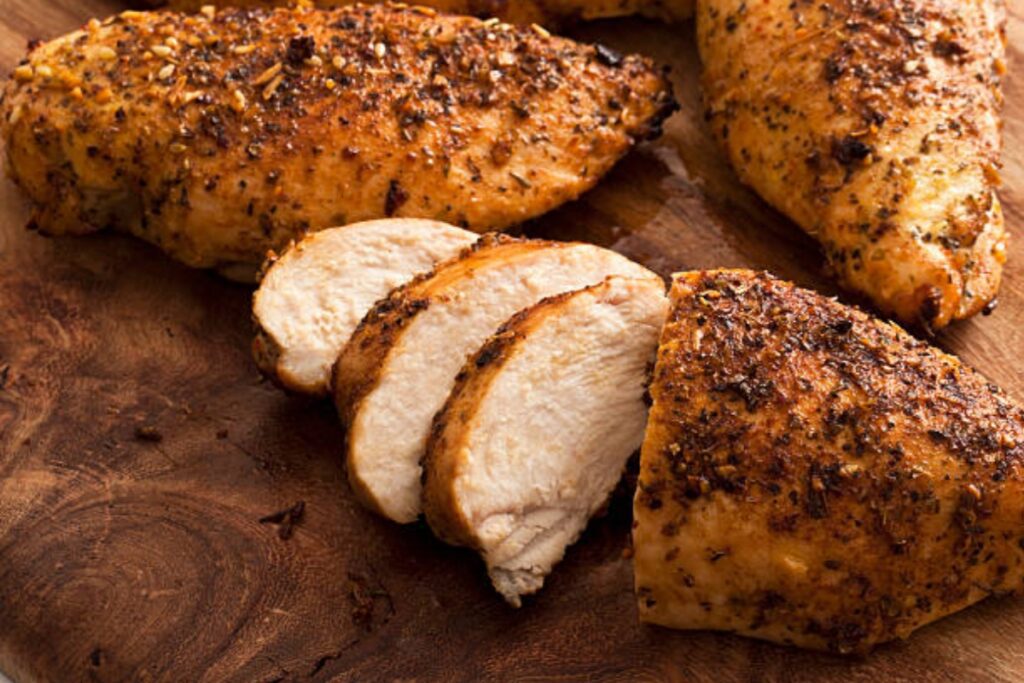
If you have ever scrolled through Nigerian recipes looking for chicken breast and felt a little let down, you are not imagining it. Walk into almost any Nigerian kitchen on any day and you will find a pot of stew simmering with chicken thighs, drumsticks, or assorted bone-in cuts that hold up to long, slow cooking in a rich tomato pepper sauce. Chicken breast tends to get left out of the conversation, and when it does show up, it is often treated as an afterthought that dries out or falls apart before the meal even hits the table.
That is exactly the gap this guide is here to fill. Nigerian recipes built around chicken breast are not a contradiction; they just need a slightly different approach than the bone-in classics. Once you understand why chicken breast behaves differently in a pot than thigh meat does, and once you know the handful of techniques that keep it moist, you can bring every bold, spicy, and deeply seasoned flavor of Nigerian cooking to a leaner cut without sacrificing texture.
This article walks through what cooking Nigerian chicken breast actually involves, where the flavors come from, a full step by step recipe you can start with immediately, and enough variations to keep your weekly dinner rotation interesting for months.
What Is It?
Nigerian chicken breast recipes are not a single dish; they represent an approach. It means taking the seasoning logic of Nigerian cooking (bold pepper heat, ginger and garlic, curry and thyme, and smoky grilled spice blends) and applying it to boneless, skinless chicken breast instead of the bone-in cuts that traditional recipes were originally built around.

Nigerian cuisine is famous for big, layered flavors: tomato and pepper stew bases, suya spice rubs, curry and thyme seasoning, and a heavy hand with fresh ginger and garlic. None of that flavor is exclusive to dark meat. What changes with chicken breast is the cooking time and technique. Because it is leaner and cooks faster, breast meat needs shorter cooking windows, gentler heat, or a brief marinade and rest period to stay tender small adjustments that this guide covers in detail.
Think of it less as a single recipe and more as a toolkit: one marinade, a handful of cooking methods, and a list of classic Nigerian dishes you can adapt once you know the basics.
History and Culture
Nigeria is home to more than 250 ethnic groups, and food is one of the clearest windows into that diversity. The three largest groups Yoruba, Igbo, and Hausa Fulani each bring distinct techniques and ingredients to the table, and chicken shows up differently in each tradition.
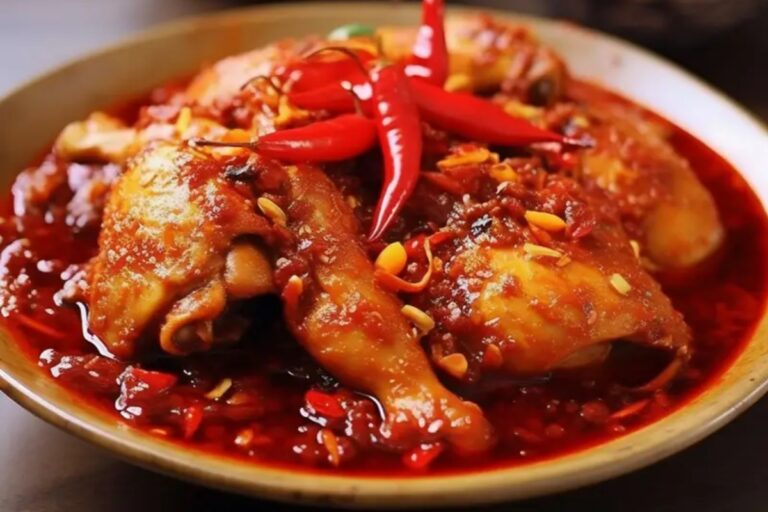
In the south, among the Yoruba and Igbo, chicken is most associated with celebration. It is the protein you serve at a wedding, a christening, or a Sunday family lunch, almost always alongside jollof rice. Stewed chicken in a thick tomato and pepper sauce became a Sunday table staple precisely because it could be made in large batches and stayed flavorful for days, a practical answer to feeding an extended family without serving something bland.
In the north, among the Hausa-Fulani, chicken takes a different shape: grilled and coated in a peanut-based spice blend called yaji, the same seasoning used for suya, Nigeria most famous street food. Suya developed as a roadside food sold by Hausa traders, grilled over an open flame on skewers and sold late into the night across cities all over the country. It is still one of the most recognizable smells on any busy Nigerian street after dark.
What ties these regional differences together is a shared seasoning philosophy: nothing is bland, nothing is rushed, and a meal is not considered finished until it has been built up in layers marinate, season again, cook slowly, taste, and adjust. Chicken breast recipes that borrow from this tradition inherit that same philosophy, just with a faster cooking clock.
A small but telling food fact: the seasoning cube (commonly Maggi or Knorr in Nigerian kitchens) is so deeply woven into everyday cooking that it functions almost like a fourth pepper used in stews, soups, grilled meats, and even some salads. You will see it referenced constantly in Nigerian recipes, including the ones below.
Ingredients
Most Nigerian chicken recipes draw from the same core pantry, no matter which dish you are making. Understanding what each ingredient does makes it much easier to adapt or substitute later.
| Ingredient | What it does |
| Scotch bonnet pepper (ata rodo) | The signature heat source in Nigerian cooking. It is fruity and very spicy; start with less than you think you need. |
| Ginger and garlic | Used together almost everywhere, they cut through richness and form the backbone of most marinades. |
| Curry powder and dried thyme | A classic pairing in Nigerian stews and soups, adding warmth and an earthy, slightly floral note. |
| Suya spice (yaji) | A ground peanut-based spice blend with paprika, ginger, garlic, and cayenne; it is the defining flavor of suya. |
| Seasoning cubes (Maggi/Knorr) | Concentrated savory seasoning used in nearly every Nigerian dish; a stand-in for additional salt and umami. |
| Tomatoes and red bell pepper | Blended together as the base of most Nigerian stews, giving body and natural sweetness. |
| Onion | Used both raw (blended into the stew base) and fried (for depth) in many recipes. |
| Vegetable or palm oil | Palm oil adds a distinct red color and earthy flavor common in southern Nigerian dishes; vegetable oil is more neutral and common for grilling or frying. |
| Lime or lemon juice | Used to clean and slightly tenderize chicken before cooking a step in many Nigerian kitchens before any seasoning goes on. |
You will not need all of these for every recipe, but having this pantry on hand means you can move between stew, suya, curry, and grilled chicken breast without a separate shopping trip each time.
Step-by-Step Instructions: Suya-Spiced Chicken Breast
This is the recipe to start with if you are new to cooking chicken breast the Nigerian way. It uses the same spice profile as classic suya but is adapted for breast meat with a quick marinade and a gentler cooking method, so it stays juicy rather than turning leathery on the grill.
Ingredients (serves 4)
- 4 boneless, skinless chicken breasts (about 1.5 lbs / 680g)
- Juice of 1 lime
- 2 tablespoons suya spice (yaji) store bought or homemade
- 1 teaspoon ground ginger (or 1 tablespoon fresh, grated)
- 1 teaspoon garlic powder (or 2 cloves fresh, minced)
- 1 Maggi or Knorr cube, crushed (or 1 teaspoon salt as a substitute)
- 2 tablespoons peanut oil or vegetable oil
- Optional: A pinch of cayenne pepper if you want extra heat
Instructions
- Clean the chicken. Rinse the chicken breasts and pat them dry. Squeeze the lime juice over them and rub it in this is a traditional first step in Nigerian chicken prep, used to freshen the meat before seasoning.
- Flatten for even cooking. Place each breast between two sheets of plastic wrap and gently pound to an even thickness, about ¾ inch. This single step is the biggest reason chicken breast turns out dry: an uneven thickness means the thinner edges overcook before the center is done.
- Make the marinade. In a bowl, mix the suya spice, ginger, garlic, crushed seasoning cube, and oil into a thick paste.
- Marinate. Rub the paste over both sides of the chicken, covering it completely. Cover and refrigerate for at least 30 minutes, or up to 4 hours if you have time. Do not leave it much longer than that; the salt and lime can start to break down the texture if left too long.
- Preheat your cooking surface. For grilling, heat a grill or grill pan to medium-high. For baking, preheat your oven to 400°F (200°C). For the stovetop, heat a skillet over medium heat with a thin layer of oil.
- Cook.
- Grill: 5-6 minutes per side, until charred at the edges.
- Oven: 18-20 minutes, flipping halfway, until the internal temperature reaches 165°F (74°C).
- Stovetop: 4-5 minutes per side over medium heat, covered for the last 2 minutes to lock in moisture.
- Rest before slicing. Let the chicken rest for 5 minutes off the heat. This allows the juices to redistribute instead of running out the moment you cut into it.
- Slice and serve. Cut against the grain into strips for skewers or salads, or serve whole alongside rice.
Expert Tips
- Always check the internal temperature, not just the color. Chicken breast can look done on the outside while still being undercooked in the thickest part. A meat thermometer reading 165°F (74°C) is the only reliable way to know.
- Do not skip the flattening step. It takes two minutes and solves most of the “why is my chicken breast always dry” frustration.
- Marinate, but do not overdo it. Thirty minutes is often enough for chicken breast, since it is more porous than thigh meat and absorbs seasoning faster.
- If you are adapting a stew or soup recipe written for thighs, cut your simmer time roughly in half and add the chicken breast pieces later in the cooking process rather than at the start, so they do not overcook while the sauce reduces.
- Searing first, then finishing in liquid, gives you the best of both worlds: a browned, flavorful crust plus a tender interior for any recipe where chicken breast goes into a sauce.
Variations
Once the base technique clicks, you can apply it across the most popular Nigerian chicken dishes.
- Nigerian Chicken Breast Stew: Sear seasoned chicken breast pieces first, then set them aside while you make the classic tomato-pepper-onion base. Return the chicken to the pot only for the last 8-10 minutes of simmering, just long enough to absorb the sauce without overcooking.
- Nigerian Chicken Curry: Use the same ginger-garlic-curry-thyme base as a traditional Nigerian curry, but cube the chicken breast and add it after the sauce has already cooked down, simmering just 10-12 minutes until cooked through.
- Peppered Chicken Breast: Pan-fry seasoned chicken pieces until browned, then toss them in a quick sauté of bell peppers, onions, and scotch bonnet peppers for a dish that is spicier and saucier than suya but lighter than a full stew.
- Chicken Breast in Creamy Pepper Sauce: A popular twist that swaps a tomato base for a cream or coconut milk sauce, mellowing the heat while keeping the ginger-garlic-pepper backbone intact.
- Nigerian Style Chicken Shawarma: Marinate strips of chicken breast in suya spice and garlic, grill or pan-sear them, then wrap them in flatbread with cabbage, carrots, and a mayo ketchup sauce, a popular Nigerian street-food fusion dish.
- Chicken Breast Pepper Soup: A lighter, broth-based option using traditional pepper soup spice (uziza, calabash nutmeg, and chili) that is comforting, low in fat, and ready in under 30 minutes.
- Air Fryer Suya Chicken Breast: The same marinade from the step-by-step recipe above, air-fried at 380°F (193°C) for 12–14 minutes, flipping halfway, is a fast weeknight option that still gets a slightly charred edge.
Serving Suggestions
Nigerian chicken breast recipes are built to pair with rice. Jollof rice is the classic match; its smoky tomato base complements grilled or stewed chicken without competing with the spice. Coconut rice offers a sweeter contrast that works especially well with suya style chicken. For something lighter, serve sliced chicken breast over a simple salad with avocado and a citrus dressing, or alongside fried plantains (dodo) and a side of stewed beans for a more traditional, filling plate.
If you are serving suya style chicken as an appetizer rather than a main, keep it simple: sliced raw onion, tomato, and cabbage on the side is the traditional accompaniment, exactly how it is served at suya stands.
Storage Guide
- Refrigerator: Store cooked chicken breast in an airtight container for up to 4 days.
- Freezer: Freeze cooked, cooled chicken breast for up to 3 months. For the best texture, slice or portion it before freezing so you can reheat only what you need.
- Reheating: Reheat gently in a covered skillet with a splash of water or stock, or in the microwave at 50% power, to avoid drying it out further. Avoid high-heat reheating, which is the most common way leftover chicken breast turns rubbery.
- Marinade safety: Never reuse marinade that raw chicken sat in unless you boil it first, a basic food safety rule that applies to any of the marinades above.
Health Benefits
Chicken breast is one of the leanest protein sources available, which is exactly why it is worth the small extra effort to cook it well. A 4-ounce (113g) serving typically provides around 26 grams of protein with significantly less fat than the same portion of thigh or drumstick meat, making it a practical choice for anyone managing calorie or fat intake without giving up protein.
The spices central to Nigerian cooking add more than flavor. Ginger and garlic both have long-documented roles in traditional diets for their anti-inflammatory properties. Scotch bonnet peppers, along with most chili varieties, contain capsaicin, which has been studied for its potential effects on metabolism. Tomatoes and bell peppers, the base of most Nigerian stews, contribute vitamin C and antioxidants like lycopene.
The one ingredient worth using with a lighter hand is the seasoning cube, since it is high in sodium. If you are cooking for a low-sodium diet, you can scale back the cube and add extra fresh ginger, garlic, and herbs to keep the flavor full without the added salt.
FAQs
Is chicken breast good for Nigerian stew?
Yes, but it needs a shorter cooking time than thigh meat. Sear it first, then add it to the finished stew for the last 8-10 minutes rather than simmering it the entire time, which is what causes it to dry out or fall apart.
How do you keep Nigerian chicken breast from drying out?
Flatten it to an even thickness before cooking, do not overcook past a 165°F (74°C) internal temperature, and let it rest for a few minutes after cooking before slicing.
What spices are used in Nigerian chicken recipes?
The most common are ginger, garlic, curry powder, dried thyme, scotch bonnet pepper, and seasoning cubes. Suya spice (yaji) is used specifically for grilled dishes.
Can I substitute chicken breast for chicken thighs in Nigerian recipes?
Generally yes, as long as you reduce the cooking time. Thighs can simmer for 30-40 minutes without drying out; breast meat usually needs closer to 10-15 minutes once it is added to a sauce.
What is a healthy Nigerian chicken breast recipe for weight loss?
Peppered chicken breast or grilled suya spiced chicken breast are both good options; they are high in protein, low in added fat, and do not rely on heavy oil or cream the way some sauce based dishes do.
How long should you marinate chicken breast for Nigerian dishes?
Thirty minutes is enough for most marinades in this guide. Up to 4 hours is fine if you want deeper flavor, but longer than that can start to affect the texture due to the salt and citrus.
Can I air fry Nigerian style chicken breast?
Yes. Suya spiced chicken breast works particularly well in an air fryer at 380°F (193°C) for about 12-14 minutes, giving you a similar charred edge to grilling with less hands-on cooking time.
Conclusion
Nigerian cooking has never lacked flavor; it has always been about bold spice, slow built sauces, and recipes passed down with very little written down just taste and instinct. Chicken breast simply asks for a little more attention to timing than the bone-in cuts these recipes were originally built around. Once you have the marinade, the flattening trick, and a sense of how quickly breast meat cooks compared to thigh or drumstick cuts, you can bring every one of these dishes suya, stew, curry, and peppered chicken to the table without dry, rubbery results. Start with the suya-spiced recipe above, get comfortable with the technique, and the rest of the variations will come together easily from there.



Leave a Feedback