

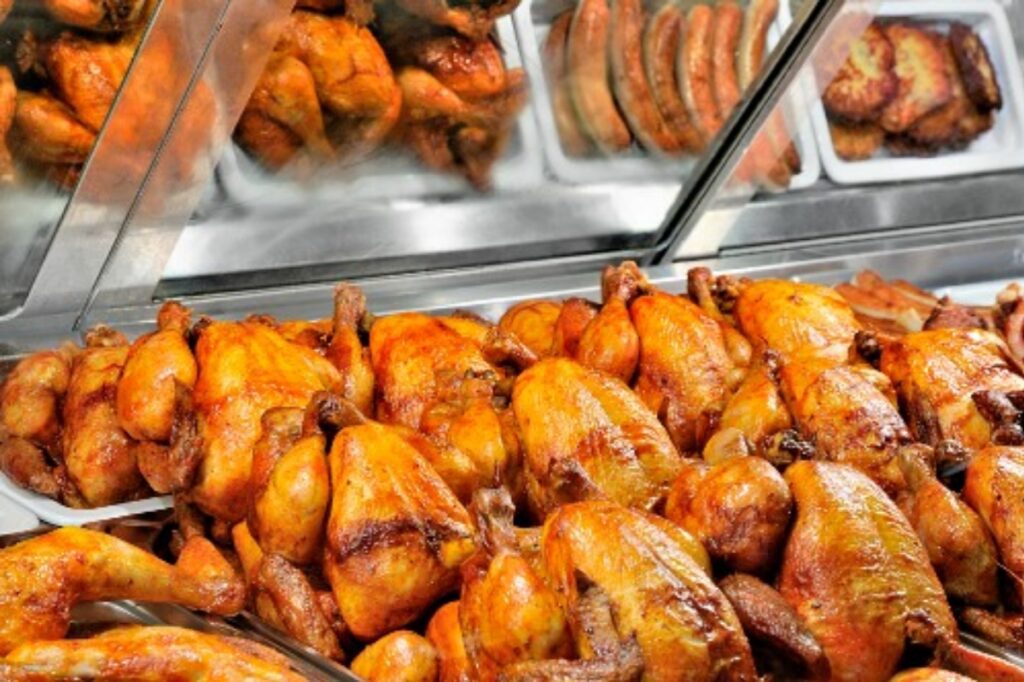
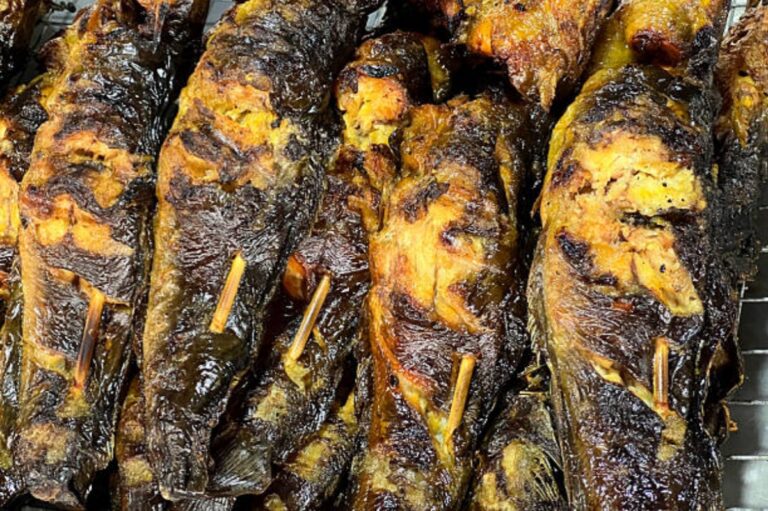
If you’ve ever been to a Nigerian party, you already know exactly which moment this article is all about. Between the arrival of the jollof rice and the third round of drinks, someone will carry out a tray of grilled chicken. Its skin is dark, the edges are slightly charred, and the smell of suya spice and scotch bonnet heat fills the entire yard before the tray even hits the table. Half the guests turn their heads. The tray empties in minutes.
That chicken is what this guide breaks down.
The problem with most Nigerian grilled chicken recipes you find online is that they are written for a normal weeknight dinner, not a party for forty people. They give you four servings, a basic marinade, and a quick cook time, leaving out everything that actually matters at scale: how to parboil first so the chicken cooks through before it ever hits the grill, how to build a marinade for fifty pieces without guessing the quantities, and how to run a grill in batches without serving half your guests lukewarm chicken.
This article covers everything you need to know. You will get the full recipe, the technique behind why Nigerian party chicken tastes so different from ordinary grilled chicken, a make ahead timeline, and a scaling guide so you can cook confidently, whether you are feeding twenty guests or seventy five. Nigerian recipes are built for community, and this one is no different, it’s meant to be made in abundance and shared generously.
What Is It?
Nigerian grilled chicken for parties is not a single, standardized dish. It’s a category of celebration cooking, and every family, caterer, and grill master has their own version. What they all share is a philosophy: the chicken should be deeply seasoned all the way through, not just on the surface; it should have a charred, smoky exterior that holds up after sitting on a buffet table, and it must deliver heat, warmth, and full Nigerian flavor in every bite.
The two flavor foundations that show up most consistently are a suya spice blend a peanut-based, paprika-forward dry rub associated with Hausa-Fulani street cooking and a wet marinade built around blended scotch bonnet peppers, onion, garlic, ginger, curry, and thyme.
Most party versions use a combination of both, either as a two stage marinade or as a final glaze brushed on toward the end of grilling.
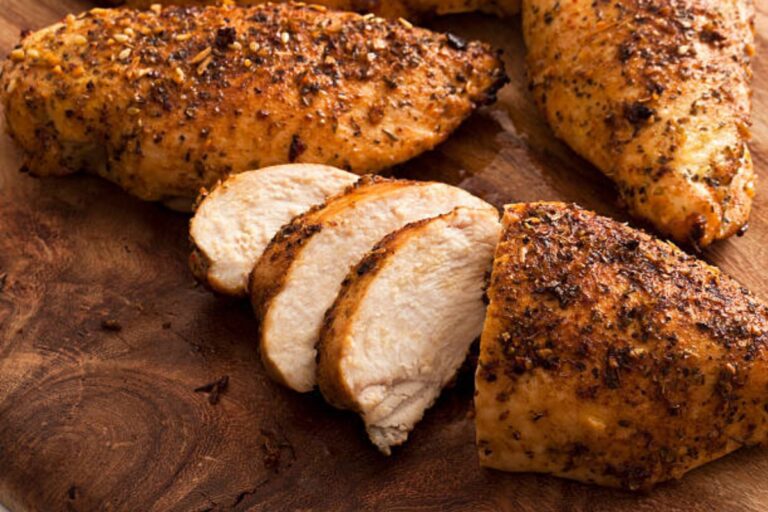
The cut of chicken also matters, contrasting bone in vs breast more than most recipes acknowledge. Bone in pieces like thighs, drumsticks, and wings are almost always the top choice for parties. They stay juicier over long cooking times, hold heat better at a buffet, and offer more surface area for the marinade to cling to. Bone-in chicken with the skin on, seasoned the night before, parboiled the day of, and grilled slowly over medium high heat is the standard at every Nigerian party worth attending.
History and Culture
To understand Nigerian party grilled chicken, you need to understand the “owambe” a Yoruba word for a large celebration that has become cultural shorthand across Nigeria for any major gathering done right. Owambes are famous for extravagance, community, live music (traditionally fuji, jùjú, or Afrobeats), and above all, food that makes a statement. The grilled chicken is never an afterthought at an owambe; it is one of the main centerpieces, and its quality reflects directly on the host.
The flavor profile that defines Nigerian party chicken pulls from two distinct traditions. The first is the street food culture of northern Nigeria, specifically the Hausa-Fulani suya tradition: skewered, marinated beef and chicken grilled over open charcoal and served with raw onions, tomatoes, and a spice blend called yaji. Suya vendors, known as mai suya, have been a part of Nigerian city life for generations, setting up roadside stalls after dark and drawing crowds from all walks of life. The suya spice blend ground peanuts, paprika, ginger, garlic, and cayenne traveled south with traders and became deeply embedded in the national food culture.
The second tradition is the tomato and pepper based cooking of southern Nigeria, where Yoruba, Igbo, and Delta cooking all share a foundation of blended fresh peppers, onions, and aromatics as the base for almost everything, including marinades. When these two influences meet in a party marinade the dry heat of suya spice layered over a wet, punchy scotch bonnet and ginger base you get that unmistakable flavor people are trying to describe when they say Nigerian grilled chicken tastes like nothing else.
A telling cultural fact: the question “Who is the grill master?” carries real social weight at a Nigerian party. It’s a role taken very seriously, often assigned to the person in the extended family or friend group known for their skill with fire and seasoning. The grill is rarely left unattended, it’s constantly managed, watched, and rotated throughout the event. That level of care is exactly why the chicken tastes so good.
Ingredients
Understanding what goes into the marinade and why makes the whole recipe much easier to adapt and scale. Most of these ingredients are staples across many Nigerian recipes; if you’ve been cooking Nigerian food for a while, your pantry is probably already stocked.
| Ingredient | What It Does |
| Chicken pieces (bone-in, skin-on) | Bone in thighs and drumsticks stay juicy through long cooking and hold heat well at a buffet. The skin crisps up on the grill and traps the marinade flavor underneath. |
| Suya spice (yaji) | The signature dry element made of ground peanuts, paprika, ginger, garlic, and cayenne. It provides the charred crust and signature heat that defines Nigerian grilled chicken. |
| Scotch bonnet peppers | Fresh, fruity, and very hot. They are blended into the wet marinade to build a deep pepper heat that soaks into the meat overnight. |
| Fresh ginger and garlic | The aromatic backbone of almost every Nigerian chicken preparation. Used blended or minced, they cut through the fat and add incredible warmth. |
| Curry powder and dried thyme | A classic Nigerian pairing that adds earthiness and a faintly floral note to the wet marinade stage. |
| Seasoning cubes (Maggi or Knorr) | The concentrated savory base that Nigerian cooks use instead of plain salt. It adds umami and deepens every other flavor in the marinade. |
| Onion | Blended into the marinade for moisture, sweetness, and body, and used during parboiling to build flavor into the stock. |
| Vegetable oil | Carries the dry spices in the final glaze, helps the skin crisp up on the grill, and prevents sticking. |
| Lime or lemon juice | Used during cleaning and prep to freshen the chicken. Its acidity also begins the tenderizing process. |
| Tomato paste (optional) | Added to the wet marinade for a deeper color and a subtle sweetness that balances the heat. |
Scaling Note: For every 10 bone in chicken pieces, plan on approximately 2 tablespoons of suya spice, 3-4 blended scotch bonnet peppers, 1 full head of garlic, a 2-inch piece of ginger, 2 seasoning cubes, and 1 large onion. Double or triple this ratio proportionally for larger batches the marinade can be made in bulk and refrigerated for up to 3 days.
Step by Step Instructions: Nigerian Party Grilled Chicken
Serves: 10-12 (scale marinade quantities up proportionally for larger groups) Active Prep
Time: 45 minutes | Parboil Time: 20-25 minutes | Grill Time: 25-30 minutes per batch
Ingredients
- 12 bone-in, skin-on chicken pieces (thighs and drumsticks)
- Juice of 2 limes
- 3 tablespoons suya spice (yaji)
- 4 scotch bonnet peppers, blended (reduce to 2 for milder heat)
- 1 large onion half blended, half sliced for parboiling
- 6 cloves garlic, minced or blended
- 1 tablespoon fresh ginger, grated
- 2 teaspoons curry powder
- 1 teaspoon dried thyme
- 2 seasoning cubes (Maggi or Knorr), crushed
- 3 tablespoons vegetable oil
- 1 tablespoon tomato paste (optional)
- Salt to taste
Instructions
- Clean and prep the chicken. Rinse all pieces thoroughly and pat them dry. Squeeze the lime juice over the chicken and rub it in this is a standard first step in Nigerian chicken prep that freshens the meat and prepares the surface for seasoning. Let it sit for 10 minutes, then pat dry again.
Make the wet marinade. In a blender, combine the scotch bonnet peppers, half the onion, garlic, and ginger with a small splash of water. Blend into a smooth paste. Transfer to a bowl and stir in the curry powder, thyme, crushed seasoning cubes, tomato paste (if using), and half the vegetable oil. Taste it the flavor should be bold, spicy, and well seasoned before it ever touches the chicken.
Season the chicken. Score each piece 2-3 times with a knife all the way through to the bone to allow the marinade to penetrate deep into the meat rather than just sitting on the surface. Rub the wet marinade all over every piece, working it into the scores and under the skin. Place the chicken in a covered container or zip lock bags and refrigerate for a minimum of 4 hours, ideally overnight.
Parboil. This is the step that separates Nigerian party chicken from everyday grilled chicken, and it is not optional for a large event. Transfer the marinated chicken pieces and all their marinade liquid into a wide pot. Add the sliced onion half and enough water to come about one-third of the way up the chicken and do not fully submerge it. Bring to a boil, then reduce to a steady simmer for 20-25 minutes, turning the pieces halfway through, until the chicken is about 80-85% cooked. It should look opaque all the way through but not yet fully firm. Remove the pieces from the pot and let them rest on a rack or tray. Save the cooking liquid, it’s a concentrated stock you can use for jollof rice, pepper soup, or pepper sauce.
Coat with suya spice. In a small bowl, mix the suya spice with the remaining vegetable oil to form a thick paste. Brush or rub this all over the parboiled chicken pieces, coating every surface. At this stage, the chicken is already mostly cooked, so the grill is simply building the crust and adding smoke. This makes your timing incredibly forgiving since you aren’t racing to cook raw meat over an open flame.
Grill. Heat your grill (charcoal or gas) to medium high. Set up two zones: one directly over the heat source and one off to the side for indirect heat. Place the chicken pieces skin side down over direct heat for 4-5 minutes until you get nice char marks and the skin tightens and crisps. Flip the pieces and move them to indirect heat for another 8-10 minutes, brushing with any remaining suya oil glaze. The goal is a deeply colored, slightly charred exterior with a fully cooked, moist interior. Work in batches and don’t crowd the grill, give each piece space.
Rest and serve. Let the grilled pieces rest for 5 minutes before plating. For a party, line a wide serving tray with foil, pile the chicken high, and garnish with sliced raw onions and tomatoes the classic Nigerian accompaniment that perfectly cuts through the richness of the spice.
Expert Tips
- Score the chicken deeply all the way to the bone. A surface rub stays on the surface. Nigerian party chicken gets its deep flavor because the marinade reaches every single cut.
- Never skip the parboil for a party. For a small family dinner, you can grill raw chicken and manage it carefully. For forty guests, parboiling first means you can grill in batches without worrying if the centers are done, and you can hold the cooked chicken at a warm temperature much more safely.
- Save the parboil stock. The liquid left in the pot after parboiling is packed with flavor from the marinade, scotch bonnets, ginger, and garlic. Use it as the cooking stock for your party jollof rice to tie the whole meal together.
- Use charcoal if you can. Gas grilling gives you more control, but charcoal especially in a kettle grill imparts that authentic smoky edge that sets Nigerian grilled chicken apart. A handful of hardwood chips on a gas grill is a reasonable substitute.
- For large batches, grill in the morning and finish at party time. Parboil and grill the chicken to about 90% done earlier in the day. Just before serving, throw the pieces back on a hot grill for 3-4 minutes per side for a fresh char and a piping-hot finish. This is how professional Nigerian caterers manage large events.
- Don’t rush the marinade. The minimum is 4 hours, but overnight is strongly preferred. The scotch bonnet and ginger need time to truly work their way into the meat. Chicken marinated for 24 hours is noticeably more flavorful than chicken marinated for just two.
Variations
Once you master the core technique, this recipe adapts beautifully to different party scenarios and flavor preferences.
Classic Suya Style Party Chicken
Skip the wet marinade stage and use a pure yaji dry rub mixed with oil, nothing else. The flavor is drier, more intensely spiced, and closer to traditional street suya. This works best on wings and drumsticks for a party where guests are eating while standing up.
Peppered Party Chicken
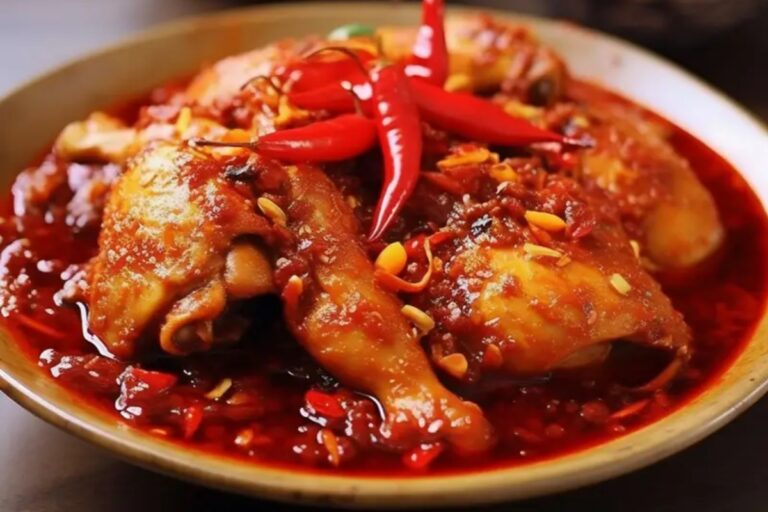
After grilling, toss the chicken pieces in a quick sauté of blended bell peppers, onions, scotch bonnets, and a little butter or oil. This creates a wetter, saucier finish that works beautifully as a buffet tray dish. The pepper sauce clings to the charred skin and adds a fantastic second layer of heat.
Oven-Grilled Version (No Outdoor Grill)
After parboiling and coating with suya spice, arrange the pieces on a foil-lined baking rack. Roast at 425°F (220°C) for 20-25 minutes, flipping halfway through, then broil for the last 4-5 minutes to get that perfect char. It won’t have the smoky flavor of an outdoor grill, but the crust turns out beautifully and it’s much easier to manage at scale indoors.
Whole Grilled Chicken for Presentation
Butterfly or spatchcock a whole chicken, apply the full marinade, and either parboil it in a wide pot or skip straight to low-heat oven roasting before finishing it on the grill. A whole bird on the grill makes a wonderful visual statement at a party serving one per table makes a spectacular centerpiece.
Smoky Air Fryer Party Chicken
For small gatherings in limited spaces, place the parboiled pieces coated in suya spice into an air fryer. Cook at 390°F (200°C) for 14-16 minutes, flipping once. While they won’t replace a backyard grill for a massive party, they’re ideal for a quick home dinner with the exact same flavor profile.
Make Ahead Party Timeline
This is the logistical breakdown most party cooks actually need, yet almost no recipe provides.
- 2 days before: Make the wet marinade in full batch quantities. Store it in the refrigerator in a sealed jar or container. Source and portion your suya spice. Confirm your chicken quantity allows for 2 pieces per adult guest as a baseline, or 3 if chicken is the main protein.
- 1 day before: Clean and score the chicken. Apply the wet marinade to all the pieces. Cover tightly and refrigerate overnight, this is the ideal marinating window for deep flavor.
- Morning of the party: Parboil all the chicken in batches. Drain the pieces, let them rest on racks, and coat them with the suya spice glaze. Refrigerate on trays until you are ready to grill. Parboiled, pre-glazed chicken can sit safely in the fridge for up to 6 hours before grilling.
- 2-3 hours before guests arrive: Light the charcoal grill (charcoal needs 45-60 minutes to reach the proper grilling temperature). Begin grilling the chicken in batches. The early batches can be kept warm in a low oven (200°F / 95°C), covered loosely with foil, while you finish the rest.
- At serving time: Run the warmed chicken back across a hot grill for 3-4 minutes per side for a fresh char before plating. Garnish and serve immediately.
Serving Suggestions
Nigerian party grilled chicken belongs on a plate with jollof rice; this combination is so deeply cultural that one without the other feels incomplete at any proper Nigerian gathering. The smoky chicken paired with tomato-rich, party-style jollof (with its signature slightly burnt bottom layer) is one of the greatest food pairings in West African cuisine.
Fried plantains (dodo) are the third element that rounds out the classic party plate, sweet, soft, and rich enough to balance the heat of the chicken. A lightly dressed coleslaw on the side (a staple at Nigerian parties, typically made with a little mayonnaise and fresh pepper) adds crunch and a cooling element.
For the table setup, pile the chicken high on wide serving trays with sliced raw onions and tomatoes on the side. This is both the traditional presentation and highly functional, as the raw onion cuts through the richness of the spices beautifully.
For portioning: plan for 2 pieces per adult guest as a standard, or 3 pieces if chicken is the primary protein on the menu.
Storage Guide
- Refrigerator: Cooked grilled chicken keeps well in an airtight container for up to 4 days. Store any leftover party stock (from parboiling) separately for up to 5 days; it makes an excellent base for jollof rice or pepper soup.
- Freezer: Freeze cooked chicken pieces in a single layer first, then transfer them to freezer bags or containers. They keep well for up to 3 months. Reheat directly from frozen in an oven at 375°F (190°C) for 20-25 minutes, or thaw overnight and reheat on a grill or skillet.
- Holding warm at a party: Keep grilled chicken warm in a low oven (200°F / 95°C) on a foil-lined tray, loosely tented with foil, for up to 2 hours without losing quality. Avoid tightly sealed containers, which trap steam and make the skin soggy.
- Reheating for best results: A hot grill or cast-iron skillet recovers the skin’s crispness far better than a microwave. Two to three minutes per side on high heat brings leftover party chicken right back to its original glory.
Health Benefits
Bone in chicken thighs and drumsticks, the standard cuts for Nigerian party chicken, are higher in fat than breast meat, but they are also higher in collagen, iron, and zinc. They deliver far more flavor per gram because of the fat and connective tissue around the bone. For a celebration where the chicken is the centerpiece, that tradeoff is generally worth it.
The spice profile of Nigerian grilled chicken adds more than just incredible flavor. Ginger and garlic, used in significant quantities in this marinade, are widely recognized in both traditional medicine and modern nutritional research for their anti-inflammatory effects. Scotch bonnets and other hot peppers contain capsaicin, which has been studied for its potential role in supporting metabolism and circulation. The tomato base in the marinade contributes lycopene, a powerful antioxidant that becomes even more bioavailable when cooked.
The parboiling method also offers a quiet health advantage: some of the fat renders out of the chicken skin during parboiling and stays in the pot liquid, rather than dripping onto the grill flames and creating flare-ups. The result is a slightly leaner final product than purely raw to grill cooking produces, though the practical benefit varies depending on the cut.
For a lower sodium version, reduce the seasoning cubes to one and build the flavor back up with extra fresh herbs, garlic, and ginger.
FAQs
Do you have to parboil chicken before grilling for a Nigerian party?
For small batches, you can skip it, but for a party, it’s strongly recommended. Parboiling ensures the chicken is fully cooked through before it hits the grill, meaning you can manage large batches without the risk of serving undercooked centers. It also means the grill is simply doing the work of crisping and charring rather than racing to cook raw meat through, giving you much better texture and control.
What spices are used in Nigerian grilled chicken?
The core combination is suya spice (yaji) a blend of ground peanuts, paprika, ginger, garlic, and cayenne plus a wet base of blended scotch bonnet peppers, fresh ginger, garlic, curry powder, dried thyme, and seasoning cubes (Maggi or Knorr). Most party versions use both the dry suya spice and the wet marinade at different stages of the process.
How do you keep grilled chicken warm at a party?
Hold it in a low oven at 200°F (95°C) on a foil lined tray, loosely tented and not sealed with foil. Sealed containers trap steam and soften the skin. For the best results, give the chicken a quick 3-4 minute pass on the grill per side just before serving to revive the char and crispness.
Can I make Nigerian grilled chicken in the oven instead of on a grill?
Yes. After parboiling and coating with suya spice, roast on a foil-lined rack at 425°F (220°C) for 20-25 minutes, then broil for 4-5 minutes to develop the crust. You won’t get the smoky depth of charcoal, but the flavor and texture come genuinely close, and it’s far easier to manage at scale for a large indoor party.
How far in advance can I marinate Nigerian party chicken?
Overnight is ideal. 12 to 24 hours gives the scotch bonnet, ginger, and garlic plenty of time to penetrate the scored meat fully. You can marinate it up to 48 hours in advance, but beyond that, the texture of the meat can begin to change due to the salt and acid in the marinade.
How much chicken do I need per person for a Nigerian party?
A reliable baseline is 2 bone in pieces per adult guest. If chicken is the primary protein on the menu (served alongside jollof rice and plantains with no other mains), plan for 3 pieces per guest to be safe. Nigerian party culture leans generously; running out of food is a far worse outcome than having leftovers.
What is the difference between suya and Nigerian party grilled chicken?
Suya is typically thinly sliced beef or chicken on skewers, coated in a pure yaji dry rub and grilled quickly over high heat, it’s a street food designed for quick service. Nigerian party grilled chicken uses larger bone-in pieces, a two-stage marinade (wet base plus a suya spice coating), and a parboiling technique for a more forgiving cook at scale. The flavor DNA is related, but the execution and eating experiences are completely different.
Conclusion
Nigerian grilled chicken for parties is one of those dishes that looks simple on the surface, spiced chicken on a grill but rewards anyone who takes the time to understand its layers. The parboil technique, the overnight marinade, the two stage seasoning, the charcoal smoke, and the raw onion and tomato garnish are completely intentional. It is the product of a rich food culture that treats celebration meals as something worth getting right, measuring generosity by both the abundance of food and how beautifully it was made.
Start with the recipe in this guide, make the marinade the night before, parboil the morning of, and give yourself plenty of time at the grill to do it properly. The first tray you carry out to the table will tell you everything you need to know.



Leave a Feedback