

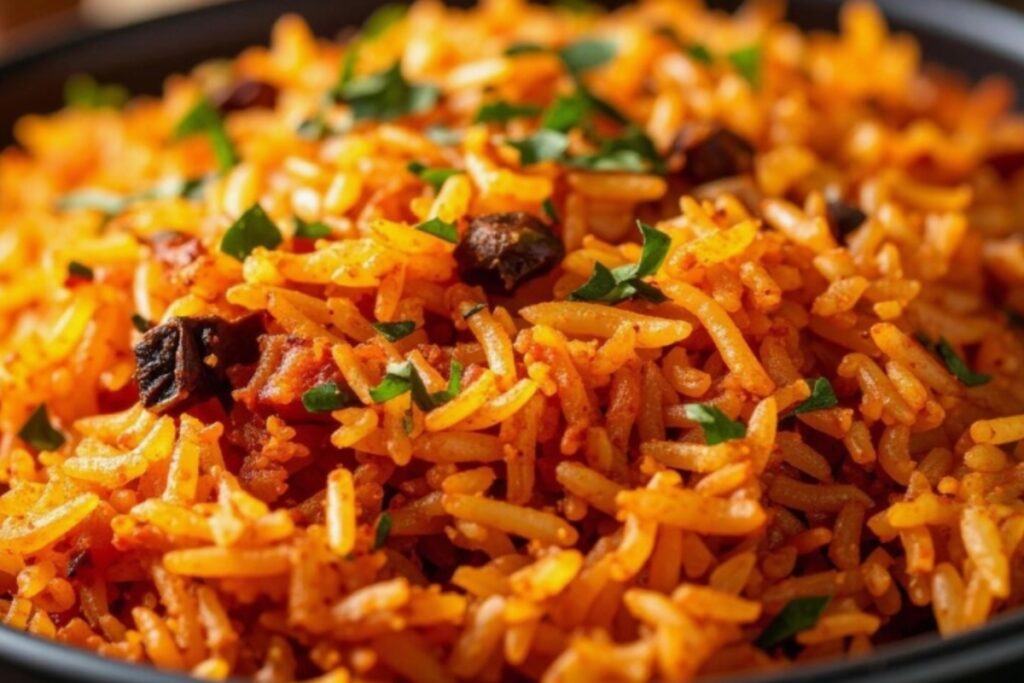
Jollof rice is a one pot West African dish built around a reduced tomato and pepper base, cooked together with rice until every grain turns a deep orange red. It has a reputation even among experienced cooks for being easy to get wrong. The difference between a properly textured pot, a mushy or burnt one usually comes down to a few specific decisions. The rice you use, how far you reduce the base and how you manage the heat while the rice steams. This recipe walks you through exactly those decisions, providing the cues that tell you each step is going right, including a troubleshooting section for anyone whose rice has already turned out soggy, dry, or scorched.
Nigerian Style Jollof Rice
| Category | Details |
| Servings | 4-6 |
| Prep time | 15-20 minutes |
| Cook time | 45-75 minutes on the stovetop, or about 30-40 minutes covered in the oven |
| Total time | Roughly 1 to 1½ hours |
| Equipment | Blender; a large, heavy bottomed pot or Dutch oven with a tight fitting lid (a layer of foil helps if the lid doesn’t seal well); wooden spoon |
Ingredients
For the base:
- 2-4 Roma or plum tomatoes, roughly chopped
- 2-3 red bell peppers, stemmed, seeded, and roughly chopped
- ½-1 onion, roughly chopped
- ¼-1 Scotch bonnet pepper (or habanero), to taste
For the rice:
- 2 cups (400g) parboiled long grain rice, rinsed until the water runs clear
- ¼-½ cup neutral oil (vegetable, peanut, or canola)
- ½ onion, thinly sliced
- 2-3 bay leaves
- 2-4 tablespoons tomato paste
- 1½-2½ cups stock (chicken, beef, or vegetable), plus more if needed
- 1-2 teaspoons curry powder
- 1-2 teaspoons dried thyme
- Salt and pepper, to taste
- Optional: 1-2 bouillon cubes, crushed; a small knob of butter, to finish
Instructions
- Rinse the rice. Place the rice in a bowl and rinse it in cold water. Swish it with your hand until the water runs clear rather than cloudy. Drain it well and set it aside.
- Blend and reduce the base. Combine the tomatoes, bell peppers, chopped onion, and Scotch bonnet in a blender until smooth. Pour the mixture into a saucepan, bring it to a boil, and then reduce the heat to a simmer. Cook for 15-30 minutes until the mixture has noticeably reduced, thickened, and deepened in color. You are looking for a real drop in volume, not just a slight thickening.
- Build the aromatics. In your main pot, heat the oil over medium heat. Add the sliced onion and bay leaves, cooking for 2-5 minutes until the onion softens and becomes fragrant. Stir in the tomato paste and cook for another 2-5 minutes, watching it closely. The paste should visibly darken, and the oil around it should turn a deep red orange. This step is rushed more often than any other and skipping it is a common reason jollof rice ends up tasting raw or sour.
- Combine and concentrate. Pour the reduced tomato pepper base into the pot with the aromatics. Simmer for another 10-25 minutes until the sauce thickens further and the oil visibly separates and rises to the surface.
- Add stock and rice. Pour in the stock, then stir in the curry powder, thyme, salt, and pepper. Bring the mixture to a boil, taste it, and adjust the seasoning now; it is much easier to fix at this stage than after the rice goes in. Stir in the rinsed rice until every grain is coated.
- Seal and cook. Cover the pot tightly. If the lid doesn’t seal well, add a layer of foil underneath it first. Reduce the heat to the lowest setting. Cook undisturbed for 20-40 minutes until the liquid is fully absorbed and the rice is tender with a slight bite. If you would rather remove the guesswork of judging stovetop heat, transfer the covered pot to a 350°F (175°C) oven instead and bake for about 30-40 minutes. This is a more forgiving option for a first attempt, though it won’t develop quite the same smoky depth as the stovetop method.
- Rest and fluff. Remove the pot from the heat and let it sit, still covered, for 10-15 minutes before fluffing the rice with a fork. This allows the last bit of steam to finish the cooking evenly. Stir in the butter, if using, right before serving.
Cooking Tips
- Use parboiled long grain rice specifically, not just any long grain variety. Regular basmati or jasmine will work but expect a softer result. Parboiled rice is processed in a way that helps it hold its shape through this method’s longer cook time.
- Judge the tomato paste by how it looks, not the clock. The moment it darkens and the surrounding oil turns red orange then it is ready.
- Let the liquid level guide you instead of measuring exactly. Once the rice is stirred in, the liquid should just cover it. If rice is visibly poking through, add a little more stock. If there is a noticeable pool on top, hold back.
- Make sure the lid actually seals. A layer of foil under a loose fitting lid traps steam far more effectively than the lid alone, and that seal does a lot of the work during steaming.
- Consider the oven method. If you are unsure how your stove runs, or if this is your first attempt, the oven method removes some of the guesswork around heat control.
- To stir or not to stir? Whether to stir once partway through steaming is genuinely debated among cooks. If you are not sure, it is safer to leave the pot alone.
Common Mistakes and How to Fix Them
Too watery or soggy

- Why it happened: The base wasn’t reduced enough before the rice went in, or too much liquid was added.
- How to fix it: Open the pot and cook over low heat, stir it gently until the excess moisture evaporates.
- How to prevent it: Reduce the base until it is thick before adding the rice, and let the liquid level guide you rather than relying on a fixed measurement.
Too dry or undercooked
- Why it happened: There was not enough liquid, the heat was too low, or the cooking time was too short.
- How to fix it: Add a small splash of hot stock, it recovers immediately, and continues cooking.
- How to prevent it: Check the rice partway through the steaming time rather than waiting until the end.
Burnt on the bottom
- Why it happened: The heat was too high, or the pot was too thin to distribute the heat evenly.
- How to fix it: Transfer the unburnt rice into a clean pot right away, leaving the scorched layer behind.
- How to prevent it: Use a heavy bottomed pot and the lowest heat your stove allows. Note that a thin, light golden crust at the bottom is normal and even desirable in the smokier party style. This refers to a fully blackened bottom, not that lighter crust.
Bland
- Why it happened: The base wasn’t reduced long enough to concentrate the flavor, or the seasoning wasn’t adjusted before the rice went in.
- How to fix it: This is difficult to correct once the rice is fully cooked, it is mostly a prevention issue.
- How to prevent it: Taste the base and adjust the seasoning before adding the rice, rather than relying on the rice to absorb enough flavor on its own.
Too salty
- Why it happened: You used too much bouillon or seasoning cube.
- How to fix it: Serve with a mild side or some unseasoned rice to balance it out.
- How to prevent it: Taste as you build the base, and go easy on bouillon if you are also using a well seasoned stock.
Mushy or clumpy
- Why it happened: You used the wrong type of rice, too much water, or stirred too much once the pot was covered.
- How to fix it: This is hard to fully reverse. Spreading the rice out on a wide tray can help if it is only mildly overcooked.
- How to prevent it: Use parboiled rice, keep the liquid level in check, and avoid stirring once the pot is covered.
Storage and Reheating
Cooked jollof rice keeps in an airtight container in the refrigerator for 3-5 days. It freezes well too. For the best quality, use it within about 2-3 months. To reheat add a small splash of water or stock to loosen it, then warm it gently on the stove, covered, or in short bursts in the microwave, stirring in between. If reheating from frozen, thaw it in the refrigerator overnight first, or reheat it covered in a 350°F (175°C) oven. Cooked rice should be cooled fairly quickly after cooking rather than left out for an extended period. Reheat it until it is hot all the way through, this matters more with rice than with many other leftovers.
Serving Suggestions
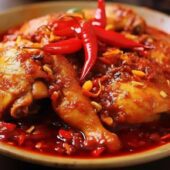
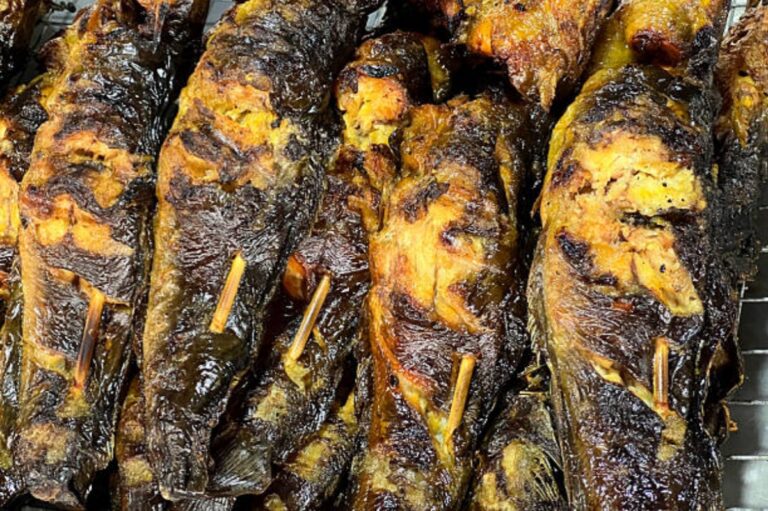
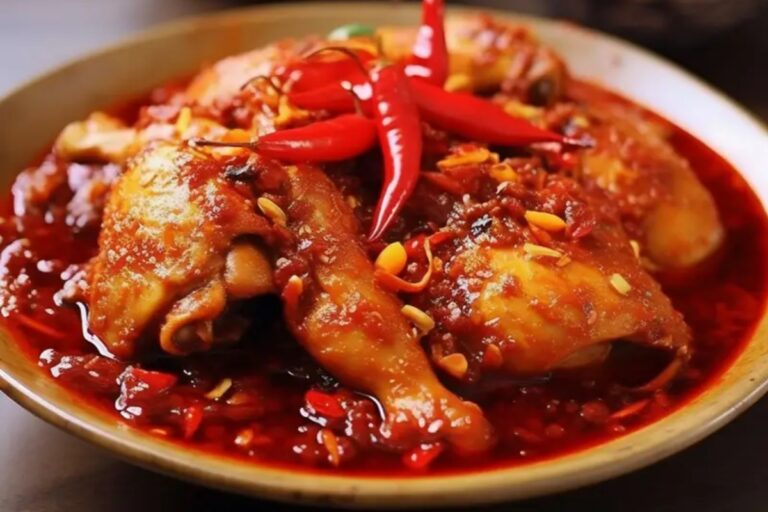
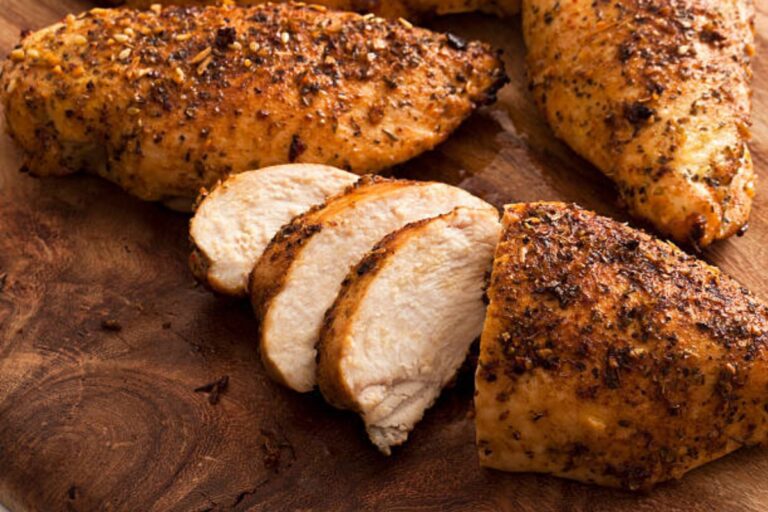
Fried plantain is almost essential alongside jollof rice; its sweetness balances the heat and acidity of the dish. For protein, grilled or peppered chicken is the classic match, though grilled catfish, stewed goat, or beef are just as traditional. A simple coleslaw or side salad adds some crunch and grilled chicken breast works well if you want something lighter.
FAQ
Can I use basmati rice instead of parboiled rice? Yes, though the result will be softer and less traditional. Parboiled rice is processed in a way that helps it keep its shape with this methods longer cooking time. Basmati and jasmine rice do not have the same structure, so they are more prone to turning mushy. If you do use basmati, reduce the liquid slightly and keep a closer eye on it near the end of cooking.
Can I make jollof rice in the oven instead of on the stovetop? Yes. After adding the stock and rice, cover the pot tightly and bake it at 350°F (175°C) for about 30-40 minutes instead of steaming it on the stovetop. This is a more forgiving option if you are not confident judging stovetop heat, though it will not develop quite the same smoky depth.
Can I make jollof rice less spicy? Yes. The Scotch bonnet controls most of the heat and it scales easily. You can use less of it, remove the seeds or substitute it with a milder chili. The flavor moves slightly further from traditional as you go milder, but the dish holds up fine.
Can I make this ahead of time or freeze it? Yes, it is a great make ahead dish. See the storage section above for how long it keeps and how to reheat it properly.




Leave a Feedback